While Ghost Pipe grows wild in most of the United States (except the Southwest), sightings are rare and each plant blooms for just one week annually. The other 51 weeks each year this mysterious plant lives completely underground.
Where are ghost plants found?
The Ghost Plant (Monotropa uniflora) Found on forest floors in temperate areas of Asia and North and South America, Monotropa uniflora is in fact a species of perennial plant.
Where do Indian pipes grow?
Where does Indian Pipe Grow? Indian pipe is found in dark, shady woods with rich, moist soil and plenty of decaying leaves and other plant matter. It is commonly found near dead stumps. Indian pipe is often found in near beech trees too, which also prefer damp, cool soil.
Is Ghost Flower poisonous?
The ghost plant is edible, for the adventurous, in small quantities. It is said they taste rather bland if eaten raw, but when cooked taste like asparagus. … The plant contains glycosides (compounds that help store sugars) and can be poisonous if eaten in quantity.Why is it called ghost plant?
Ghost plants received their unusual moniker from the powdery coating that envelopes the leaves, also known as pruinose. This covering gives the leaves a pale or “ghostly” appearance. Ghost plants were historically used as a landscape ornamental and natural medicine in Mexico.
Where do ghost pipes grow?
Ghost Pipe (Monotropa uniflora L.) This native plant species is found throughout the majority of the United States in humus in deep, shady woods at low to moderate elevations. It is noticeably absent throughout the range of the Rocky Mountains. This species is also found in Asia.
How do you propagate a ghost plant?
To propagate Ghost plant from cuttings, use a sharp, sterile knife or pair of scissors and cut a piece of the plant just above a leaf on the stem. Allow it to dry for a couple of days, and place in well-draining soil.
Where does Indian ghost pipe grow?
Indian pipe is a perennial wildflower with a wide geographic distribution throughout the United States, from Maine to California and from Florida to Alaska. It is absent from the southwest, intermountain west and the central Rocky mountains.Why is it called Indian pipe?
Monotropa uniflora is commonly called “Indian pipe”, a name which reflects the overall shape of the mature plant: a single stem with a prominent distal bend and expanded, flowered tip.
Is a ghost plant a parasite?Indian pipe, also called ghost plant, is a plant that doesn’t make chlorophyll and instead is a forest parasite. Growing in the shadows of the trees, these plants get their energy from the fungus that grow on tree roots! … Photo description: Close-up view of small pure white plants on the forest floor.
Article first time published onIs Ghost plant poisonous to dogs?
Ghost Plant Non-toxic to dogs, cats and horses. Care: Thrives in full sun. Allow soil to dry-out almost completely between waterings, good drainage essential.
Are Ghost Plants pet safe?
Graptopetalum Paraguayense (Ghost Plant) The pointed flat leaves are in gorgeous pastel colors and range from powdery blue-green to light pink or purple. Easy to grow and maintain, it is a popular succulent plant, perfect for hanging baskets or rock gardens, and totally pet-friendly!
Does ghost pipe grow in Illinois?
In the East, broomrape is often called “ghost pipe.” Dodder is an often-overlooked plant, even as it twines its leafless threadlike stems and attaches by suckers to its showy host plants. Ten species of dodder occur in Southwestern Illinois; all are in the genus Cuscuta, a member of the morning glory family.
Do animals eat Indian pipe?
Bears may feed on the plants when they develop above the ground surface, or they may dig up and feed on the root mass (the latter behavior has been observed for Grizzly Bears in British Columbia). Indian Pipe is not known to be toxic.
Is Indian ghost pipe rare?
Indian pipe occurs in Asia and throughout North America and parts of northern South America and is considered rare. It is usually found in moist shady areas.
How fast do ghost plants grow?
Ghost plants are very easy to propagate. You can take stem cuttings and lay them on slightly humid soil. Within 2-3 weeks, new growth will start.
Why do ghost plants wilt?
The most common reason for a ghost plant to lose its lower leaves is because it is not getting enough direct light. Ghost plants are succulents that have specifically adapted to growing in fairly harsh conditions with full sun, warm temperatures and sandy or stony soils.
Can you grow a ghost plant indoors?
Graptopetalum paraguayense ‘Ghost Plant’ can be grown both indoors and out. The most important thing for these plants is to provide them with a well draining potting mix and adequate sunlight. From my experience with these plants, they do really well outside exposed to the natural elements.
Can you plant a ghost plant outside?
Plants growing outdoors in full sun and summer temperatures will appreciate a weekly drink, while houseplants may only need watering every other week. Water indoor ghost plants at soil level to prevent water from stagnating in the rosettes.
How big does a ghost plant grow?
Native to Mexico, this low-growing succulent can get between 6 inches and 1 foot tall and grows in clumps that are 14 to 20 inches wide, making it useful as a groundcover in areas with no foot traffic.
Is Ghost plant summer dormant?
It’s semi-dormant during the winter months and stable during the warmer, drier summer months. The plant’s thick, fleshy leaves display variations in color ranging from green to silvery gray to slightly pink. The pinkish tinge is more apparent when the plant’s young.
Does ghost pipe grow in Texas?
Indian pipe (Monotropa uniflora) is such an amazing plant. Also known as the “ghost plant,” this white plant is found in the piney woods of east Texas. … The conifers provide sugar, which the fungi carry to the Indian Pipe plant. So it’s really a parasite, but on fungi.”
Does Indian pipe grow in Texas?
Native Plant Society of Texas Indian pipe (Monotropa uniflora) is such an amazing plant. Also known as the “ghost plant,” this white plant is found in the piney woods of east Texas. It has an interesting relationship with the fungus in its roots: … Today we know that it has short, stubby roots that contain fungi.
Does Indian pipe grow in Ohio?
Since it isn’t dependent on sunlight for photosynthesis, Indian Pipe can thrive in very dark areas, including dense understory areas in forests. This species has been recorded in 59 of the 88 Ohio counties, mostly in the Eastern portion.
What is Indian pipe good for?
Indian pipe root is a tonic, sedative, nervine, and antispasmodic. It has also been employed in febrile diseases, as a sedative and diaphoretic. … It has been used effectively in treating severe mental and emotional pain due to PTSD and other traumatic injury, as well as severe nerve pain due to Lyme disease.
Is the ghost plant a mushroom?
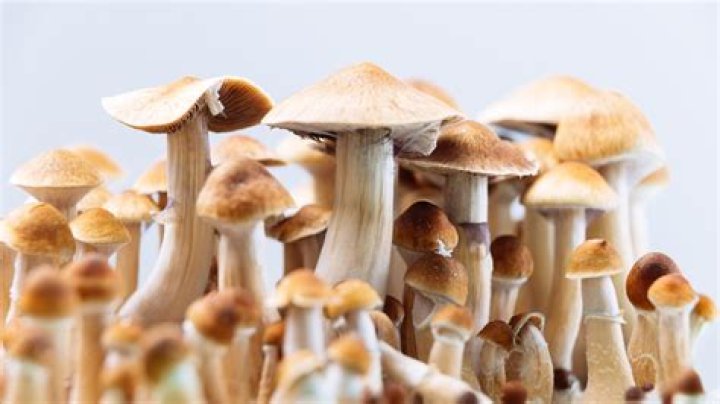
At first glance, the ghost plant (also known as the Indian pipe or corpse plant), might look like a type of mushroom. Found on forest floors in temperate areas of Asia and North and South America, Monotropa uniflora is in fact a species of perennial plant.
Can ghost plants Photosynthesise?
Using energy from the sun, they convert water and carbon dioxide into carbohydrates (a.k.a. sugar). The oxygen we breathe is created as a byproduct of this process. But ghost plants aren’t green. They have no chlorophyll, and they cannot photosynthesize.
What is a blue Echeveria?
Echeveria ‘Blue Atoll’ is an evergreen succulent forming a very pretty rosette packed with fleshy, blue-green leaves. In spring, it sends up 8 in. tall (20 cm) stems which bear small orange and yellow flowers. This Echeveria offsets readily and is a great choice for rock gardens, green roofs or containers.
Are succulent indoor or outdoor plants?
Succulents have long been one of the most popular types of indoor plants. There are a variety of reasons for their popularity. They come in a wide range of shapes and sizes and require very little care in the way of watering and pruning.
Why is my dog eating succulents?
But if they do, should you be worried about toxicity or poisoning? Luckily, most succulents are considered non-toxic and are harmless to pets when ingested. Others contain skin irritants that can cause minor skin irritations, and some can cause mild symptoms when ingested.
Can I have a cactus with a cat?
Is cactus poisonous to cats? Cactus is not poisonous to cats. Unlike some houseplants that contain dangerous compounds that may have adverse effects on your cat, this plant is harmless.