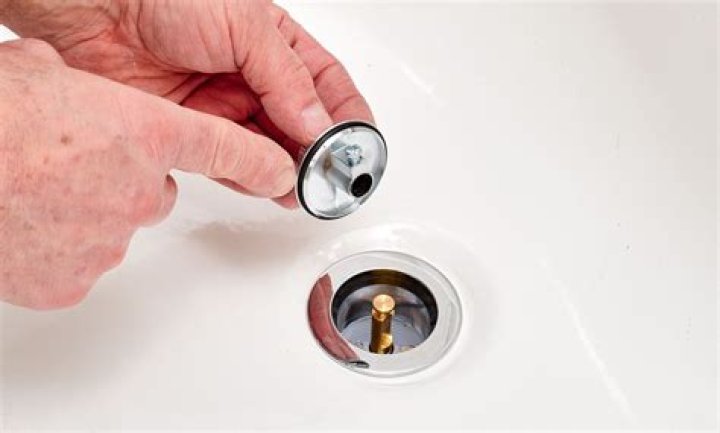
Qest compression fittings by Zurn can be used to connect gray polybutylene, PEX, CPVC or copper tubing in any combination. These are one of the few fittings that can be used with gray polybutylene plastic tubing. Polybutylene was often used in manufactured homes.
Will PEX fittings work on polybutylene?
PB has the same outside diameter as PEX of the same nominal size, but outside diameters differ slightly between the tubing types. This means that you should not use PEX fittings on polybutylene, but that you can use PEX crimping rings and PEX crimping tools on barbed PB connections.
Will a regular SharkBite work on polybutylene?
SharkBite push-to-connect fittings that have a tan-colored release collar are not suitable for use with polybutylene or PVC material. The tube liners that are included with these fittings are intended for use with PEX, copper, CPVC, PE-RT or (CTS SDR-9) SDR-9 HDPE tubing.
Is polybutylene the same as PEX?
There are two common types of plastic piping which are known as PB (Polybutylene) and PEX (Cross-linked Polyethylene). The main difference between PB and PEX is in how the material is created. … So if you will be pumping water, or the pipes will be exposed to the cold, PEX is a better option than PB.What is the main issue with polybutylene pipes?
They were inexpensive and easy to install–but homeowners and plumbing professionals have discovered one serious flaw: Over time, oxidation and exposure to chlorine in the water supply causes the pipes to swell and crack, leading to widespread flood damage throughout the home, usually without any warning.
Why is PEX plumbing bad?
Potential chemical leaching is another downside of PEX piping. Due to its chemical composition, the PEX pipe material may leach toxic chemicals including bisphenol (BPA), MTBE, tertiary butyl alcohol (TBA), and others.
How long does polybutylene piping last?
So what’s the problem? Polybutylene water pipes take about 10 to 15 years to deteriorate. Because they deteriorate from the inside out, it’s difficult to assess the damage. Eventually leaking begins, and if not corrected promptly, can quickly escalate and cause extensive damage.
How do you know if you have poly B Plumbing?
How to tell if you have Poly-B Piping. Poly-b piping is generally light grey in color with copper connections and elbows. You can easily identify if your home has poly-b piping, by removing a few ceiling tiles in your basement, such as in your utility room, and viewing the pipes in the ceiling of your basement.Is all grey pipe polybutylene?
Polybutylene pipes are: usually stamped with the code “PB2110”; … not used for waste, drain or vent piping; most commonly grey in color, but they can also be white, silver, black or blue.
Do I have to replace my polybutylene pipes?Polybutylene pipes typically become brittle and leak within 15 years. If you have them in your home, replacing them can help prevent expensive damage from a pipe leak.
Article first time published onWhat is a polybutylene adapter?
The SharkBite PEX barb polybutylene adapter is made of a lead-free DZR brass, and is an easy to install, low-cost solution to connect PEX tubing to polybutylene pipe. SharkBite PEX barb fittings are compatible for potable water distribution and hydronic heating applications.
Is Quest pipe the same as polybutylene?
Polybutylene (PB) pipes, also known as Quest pipes, might be the pipes running throughout your home that supplies water you use everyday. … Polybutylene is a plastic material known as a co-polymer. It was widely used from the mid 70’s to the mid 90’s across the nation.
What does CTS stand for in plumbing?
CTS stands for Copper Tube Sizing. This is different from other PVC or CPVC pipes, which commonly use NPS, or Nominal Pipe Size, dimensions. When compared to CTS, NPS is larger in diameter.
Does all polybutylene pipe fail?
Not true. In most cases it takes years for polybutylene systems to fail. While it may leak within a few years of installation, the majority of leaks start to occur in the 10-15 year time frame.
Why is polybutylene pipe no longer used in homes?
Because of numerous leakage problems and lawsuits against the manufacturers, polybutylene pipe (PB) manufacture was stopped after 1995. It is no longer an approved pipe for water supply or distribution by the building codes, although approval was not immediately rescinded after it was removed from the market.
Is polybutylene piping illegal?
Polybutylene piping is not banned on a national level, but neither is it available. It does, however, still exist in many homes built between 1975 and 1996.
Is Poly B really bad?
Chlorine and antibacterial agents wear away Poly B™™ pipes. As a result, the pipes become brittle and flake, crack or break. … You would not wish to experience pipe burst or water leak into your property due to compromised pipes. Flaking pipe materials may leak chemicals into water and affect its quality badly.
Are polybutylene pipes covered by insurance?
Let’s start with the simplest answer: no. In general, polybutylene pipes are not covered by homeowners insurance. Most homeowners insurance companies view polybutylene pipes as too liable to burst and cause damage, and so they don’t provide coverage.
Is PEX safe for drinking water?
There are no health risks associated with drinking water from PEX pipes. A few types of PEX-pipe may cause prolonged undesirable taste and odour if the water remains in pipes over time.
How long does PEX last?
Additionally, long-term testing programs on PEX have shown that it has a potential lifespan of more than 100 years. So, while copper systems may have to be re-piped every few years or decades due to corrosion and pinhole leaks, a PEX system can last 10 times longer — or more.
Which is better PEX or copper?
PEX pipe is not only cheaper than copper but more durable too. PEX is immune to corrosion and mineral build-up, and it’s not affected by electrolysis, which can cause small pinhole leaks in copper piping. Copper pipes can last anywhere from six months to the life of a building.
How do I know if my house has a poly pipe?
- Look for a flexible, gray pipe with copper-colored fittings. Gray is the most common color, but polybutylene also came in blue or black.
- Polybutylene is usually stamped with the code: “PB2110”
- It is usually 1/2” to 1” in diameter.
- It is not used for waste, drain or vent piping.
When was polybutylene last used?
Polybutylene is a form of plastic resin that was used extensively in the manufacture of water supply piping from 1978 until 1995. Due to the low cost of the material and ease of installation, polybutylene piping systems were viewed as “the pipe of the future” and were used as a substitute for traditional copper piping.
What does Poly B Plumbing look like?
Most Poly-B pipes are grey, though other colours (like black, white, or blue) exist. If you’re not sure whether you have Poly-B plumbing, look for gray plastic pipes anywhere there is exposed plumbing: under the sink, connected to the water meter, at the hot water tank, or on the ceiling of an unfinished basement.
What is the problem with Poly B?
One major issue with Poly-B pipes is that while they may look fine from the outside, they may be slowly deteriorating on the inside. Because of this, they could rupture suddenly, causing water damage and possibly mould growth (if not detected or fixed quickly).
How can you tell the difference between PEX and polybutylene?
There may be some confusion as to whether or not it is polybutylene or PEX. PEX is the plastic piping that came about to replace the polybutylene. As a general rule you can assume that it is PEX if it any color but gray if it was installed after 1998 and polybutylene if it was installed before 1993.
What does quest pipe look like?
Identifying Polybutylene (Quest) plumbing pipes is actually fairly simple. Polybutylene pipes come in one of three colors: black, blue, or gray, with grey being by far the most common. The easiest places to check are where your main water line enters your home, and where the water line is connected to your water meter.
What is Qest tubing?
Qest compression fittings by Zurn can be used to connect gray polybutylene, PEX, CPVC or copper tubing in any combination. These are one of the few fittings that can be used with gray polybutylene plastic tubing. Polybutylene was often used in manufactured homes.
Is PEX a CTS or IPS?
For example, PEX pipe may be manufactured to IPS-ID (iron pipe size, inside diameter controlled) sizes with varying thickness to meet pressure requirements, while PEX tube may be manufactured to CTS-OD (copper tubing size, outside diameter controlled) sizes, commonly with a standard thickness of SDR-9 (standard …
What is the difference between IPS and CTS pipe?
CTS stands for Copper Tubing Size while IPS stands for Iron Pipe Size. IPS is larger in diameter compared with CTS (1” CTS versus 1” IPS).
Is PVC a CTS or IPS?
At this point, you’ll most often come across rigid piping in Nominal (rigid copper piping falls under this), IPS (PVC, galvanized and stainless steel all fall under this) and CTS (Copper Tubing Size – soft copper tubing and some styles of CPVC fall under this).