Items you cannot compost in a worm bin: Lemon, lime, orange or other citrus peels and juice (in excess this will make the soil too acidic) Onions and garlic (a good rule of thumb is if it makes you smell, it makes your worm bin smell) Meat, fats, grease, bones or oils (no butter, lard, stocks, soups, etc)
Is it OK to have mold in compost?
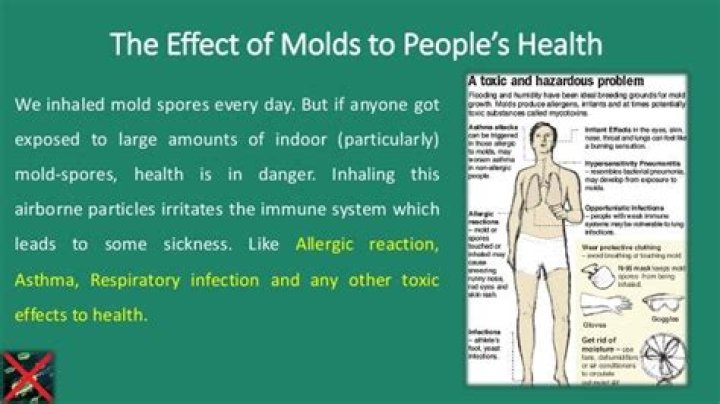
No, mold is not bad for compost. Most of the time, mold in compost is a great sign. It indicates that you have healthy compost. The organic matter in your compost pile is broken down by a mixture of microorganisms, including bacteria and fungi.
What does worms hate to eat?
Avoid feeding the worms large quantities of meat, citrus, onions and dairy foods. Some processed food also contains preservatives, which discourage the worms from eating it. These foods won’t harm your worms, but they will avoid them and those scraps will break down and rot in the bin.
Do worms eat cake?
Processed foods should generally be kept far away from your worm bin. … You can expect any processed food to be left in the bin to rot rather than being eaten up by your worms. Here are some of the processed foods you should keep out of your worm bin: Cake.What is the white stuff in my compost?
This white deposit is called mycelium. It is a naturally occurring fungus whose job it is to breakdown organic material. You’ll find it on bits of wood buried in the soil, on rotting straw or woody bits in compost heaps, on leafmould and manure in the soil – the list is almost endless.
Should there be maggots in my compost bin?
Maggots are not going to hurt your compost, but they may be a sign that your balance of green materials/brown materials is off. Make sure you are adding enough (but not too much) brown stuff like straw. Also it may be too moist; it should feel like a wrung out sponge.
Why is my compost turning white?
Compost is expected to have white mold or fungus. This is a clear sign that the organic matter is decomposing effectively. Compost might also contain white bacteria that look like fungus. This bacteria is also beneficial for breaking down the organic matter more quickly.
Do worms like Ginger?
Secondly, worms tend to avoid spicy or flavourful foods such as garlic, onions, and ginger. Ginger is spicy and fragrant, which makes it ideal for use in many culinary dishes.Do worms eat garlic?
However, it is best to avoid putting citrus, onions, and garlic in the worm bin. Onions and garlic will eventually be broken down by worms, but the odor in the interim may be more than you can handle! … Some “DON’TS” in the feeding of worms are: Do not add salty or oily foods.
What should you not put in a worm farm?- Meats, bones, fat and anything oily or greasy.
- Dairy products including butter, sour cream, milk, whole eggs (egg shells are ok) and cheese.
- Canned sauces, peanut butter and other processed food.
- Citrus foods like lemons, limes and oranges.
- Onions and garlic.
- Spicy foods such as hot peppers.
Can worms eat moldy food?
Red wigglers can eat mold, and rotten food, but not overly rotten. The longer the food sits, the less value it will be to the worms. Both moldy and rotting compost can be digested and will not hurt the worms to eat.
Do worms like tomatoes?
Let’s dive in! *Tomatoes are slightly acidic, but worms still seem to like it and will tolerate it just fine in moderation. Whether you have an abundance of melon rinds, spoiled apples or fruit trimmings, you can feed them to your worms by slicing them up into manageable portions.
Do worms like bread?
Yes, in moderation, bread, and in fact, all grain based foods, are worthy of your worms’ processing power. Stale bread remains just as full of nutrients and building blocks for worm growth as the fresh stuff. However, these starchy foods can end up a gooey mess.
Can you put bread in compost?
While fresh bread can be added to the compost, it is best added after it has gone stale and started to mold. To begin the composting process, break the bread into small pieces. … Scraps should be added to the center of the compost pile and then covered completely.
How often should compost be turned?
By turning more frequently (about every 2-4 weeks), you will produce compost more quickly. Waiting at least two weeks allows the center of the pile to heat up and promotes maximum bacterial activity. The average composter turns the pile every 4-5 weeks.
Why is my soil GREY?
Grayish soils, therefore, are found in areas with high levels of both moisture and iron. If a gray soil has a bluish or greenish cast, that may indicate the presence of sulfur. A mottled gray, as opposed to a uniform gray or blue-gray, suggests that the soil is waterlogged at times and fairly dry at other times.
Is mold good for soil?
– you notice that there is some mold growing on the surface of your soil. … The mold you see growing there is not dangerous, not usually allergenic, and is actually a good thing for your plants and soil.
What materials should not be composted?
- Meat and Fish Scraps. …
- Dairy, Fats, and Oils. …
- Plants or Wood Treated with Pesticides or Preservatives. …
- Black Walnut Tree Debris. …
- Diseased or Insect-Infested Plants. …
- Weeds that Have Gone to Seed. …
- Charcoal Ash. …
- Dog or Cat Waste.
Can soil grow mold?
The truth is that mold spores are a regular part of soil and are normally harmless. The real threats to your plant are heat, humidity, and low ventilation. Under these conditions, mold spores grow into their adult fungi form and release even more spores.
Should my compost have worms?
Do I need to add worms to my compost pile? You do not need to add worms to your compost pile. Outside, composting happens with and without the help of earthworms. Worms will usually find their own way to a compost pile.
Does compost need sun?
You can put your compost pile in the sun or in the shade, but putting it in the sun will hasten the composting process. Sun helps increase the temperature, so the bacteria and fungi work faster. … If you do place your pile in full sun, just remember to keep it moist as it heats up.
How did worms get in my compost bin?
How do worms get in the HOTBIN? Worms/worm eggs casts are found in soil or old compost just like slugs and snails and can also be found attached to leaf mould (tiger worms are used to decompose leaves). In the case of the HOTBIN which is a sealed unit, worms are often added during the set-up of the initial base layer.
What do worms hate?
Worms hate: meat or fish, cheese, butter, greasy food, animal waste, spicy and salty foods, citrus.” The food-to-worm ratio is not precise, nor is the amount of castings they will produce. The rule of thumb is that a pound of worms will eat one to two pounds of food in a week.
Do worms eat cotton?
Cotton scraps: If you have old eco friendly towels (preferably organic towels), rags, or pieces of cotton clothing (make sure it’s 100%), your worms can eat it. … Worms love ’em, as long as they’re organic (and do not contain any pesticides that could kill the worms). Just be aware of how much fruit you’re adding.
Do worms like sawdust?
To the worms, the sawdust is as delicious as raked leaves. The worms eat sawdust mixed with everything else Vander Werf throws into his mix: kitchen scraps, 4,000 pounds of coffee grounds a month, 400,000 pounds of shredded paper every year.
Do worms like chocolate?
They are also capable of chewing their way inside! Thanks for A2A. Firstly a maggot is the larvae of a fly and they eat rotting meat. So they are rare to find in chocolate, which is starchy and sweet.
Do worms like grapes?
But apparently, my worms are spoiled. They will avoid certain foods for as long as possible. For the most part, they enjoy the usual trimmings such as apple cores, potato peels, banana peels. … Just like other little kids, my worms will devour a bowl of strawberries, cherries or grapes like they are starving.
Can worms eat egg shells?
eggshells – worms simply can’t eat them. … Eggshells are good for the garden, so if you crush them up, and put them in the worm farm, they’ll end up adding calcium to your soil. Eggshells don’t harm the worms, but can look a little unsightly in the gardenbeds.
Do worms eat grass clippings?
Grass clippings from treated lawns are toxic. Additionally, green grass clippings generate too much heat as they break down. These high temperatures can kill your worms. … Then don’t feed them to your worms.
Do worms eat banana skins?
Bananas are a great and inexpensive snack for both us and our worms. Those peels are desirable to compost worms no matter what shape they’re in. They’ll make short work of what otherwise would have taken up space in your trash.
Can you put bread in worm farm?
Fruit and vegie scraps, teabags and coffee grounds, crushed eggshells, small amounts of bread or pasta, moist cardboard and newspaper. you’re not overfeeding your worms. … This means you can feed your worm farm a few handfuls every few days.